
Sweet Pea seeds
Sweet Pea seeds /Lathyrus Odoratus/ shop is open for the 2026 growing season.
There’s a reason sweet peas have been a gardener’s favorite for generations—that intoxicating fragrance and those delicate, ruffled petals are simply irresistible.
I grow about 60 different varieties here on my farm, each one selected for its unique color, scent, and performance in the vase. From soft pastels to vibrant jewel tones, long stems to the most incredible fragrance—there’s a sweet pea for every style and arrangement.
All seeds lovingly grown and hand-harvested at my flower farm.
-
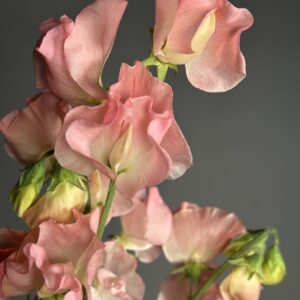
Sweet Pea Spring Sunshine Peach- 25 seeds
$9.50 -
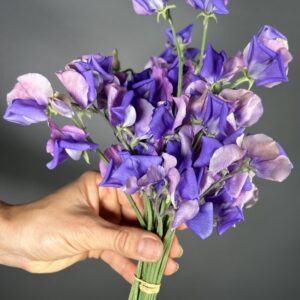
Erewhon Sweet Pea Seeds- 25 seeds
$9.50 -
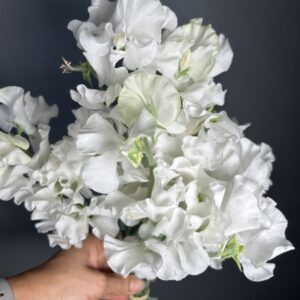
White Frills Sweet Pea Seeds- 25 seeds
$9.50 -
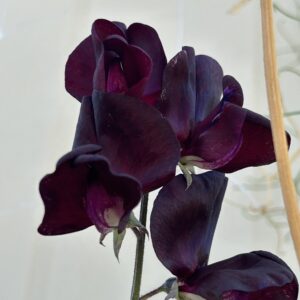
Almost Black Sweet Pea Seeds- 25 seeds
$9.50 -
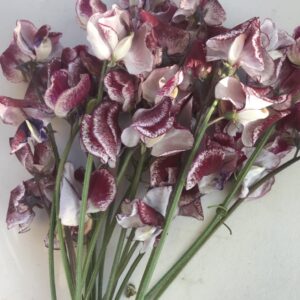
Lisa Marie or Chocolate Flakes Sweet Pea Seeds- 25 seeds
$9.50 -
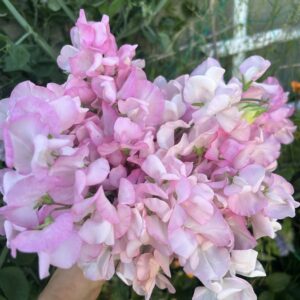
Pink Pearl Sweet Peas Seeds- 25 seeds
$9.50 -
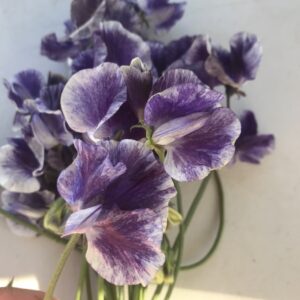
Mr P Sweet Pea Seeds- 25 seeds
$9.50 -
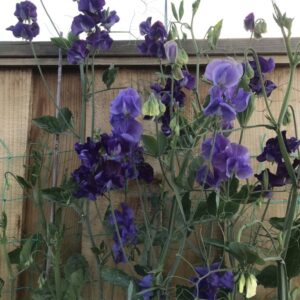
Lord Nelson Sweet Pea Seeds- 25 seeds
$9.50 -

Royal Scarlet Sweet Pea Seeds- 25 seeds
$9.50 -
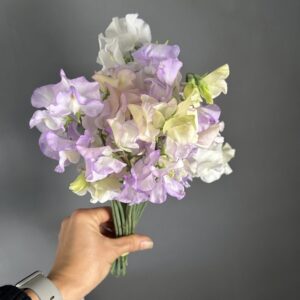
April in Paris Sweet Pea Seeds- 25 seeds
$9.50 -
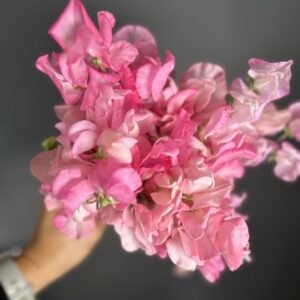
Pink Nines Sweet Pea Seeds- 25 seeds
$9.50 -
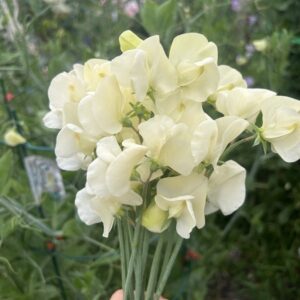
Jilly Sweet Pea Seeds- 25 seeds
$9.50 -
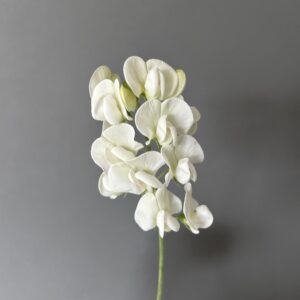
White Pearl Perennial Sweet Pea Seeds- 25 seeds
$9.50 -
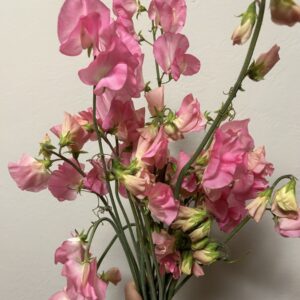
Salmon Cream Sweet Pea Seeds- 25 seeds
$9.50
Planting Notes
I’ve been growing sweet peas for years, and through plenty of trial and error (emphasis on error), I’ve figured out what actually works. Here’s everything I wish someone had told me when I started.
When to Plant
Early is key. Sweet peas are cold-hardy and actually prefer chilly weather. I plant mine:
- Fall planting (October-November): In mild climates, this gives you the earliest blooms
- Late winter/early spring (January-March): As soon as the soil can be worked
- The rule: If you can dig, you can plant
Don’t wait until it’s warm. By the time it feels like “planting weather,” you’ve already missed the sweet pea window.
Seed Starting
Soak or nick? I put my seeds in a damp paper towel in a ziplock bag. It speeds up germination. Some people soak the seeds overnight—that works too. Either way, you’re helping water penetrate faster.
Direct sow or start indoors?
- Direct sowing is easiest and what I do for most varieties. Sweet peas don’t love transplanting.
- If starting indoors: Use deep pots (sweet peas have long roots), plant 6-8 weeks before your last frost, and transplant carefully when seedlings are 3-4 inches tall.
Planting depth: About 1 inch deep, 2-3 inches apart. I thin to 6 inches once they’re established.
Location & Soil
Sun: Full sun is ideal, but in hot climates, afternoon shade helps extend the season.
Soil: Rich, well-draining soil with plenty of organic matter. Sweet peas are heavy feeders. I work in compost before planting and mulch around the base once they’re growing.
pH: They prefer slightly alkaline soil (around 7.0-7.5). If your soil is acidic, add some lime.
Support
Sweet peas are climbers—they need something to grab onto with their tendrils.
Best supports:
- Netting or mesh (6-8 ft tall)
- Bamboo teepees
- Trellises
- Fences
I use tall netting strung between sturdy posts. The key is getting it up before they start climbing. Once they’re scrambling on the ground, it’s a mess to untangle them.
Watering & Feeding
Water consistently, especially once they start flowering. Sweet peas like moist (not soggy) soil. I water deeply 2-3 times a week, more if it’s hot.
Feeding: I give mine a balanced fertilizer every 2-3 weeks once they start blooming. Too much nitrogen = lots of leaves, fewer flowers. I also side-dress with compost mid-season.
The Secret to Maximum Blooms: CUT THEM
This is the most important thing I can tell you: the more you cut, the more they bloom.
If you let flowers go to seed, the plant thinks its job is done and stops producing. I’m out there with scissors almost every day during peak season, cutting stems even if I don’t need them (neighbors love me).
How to cut:
- Cut stems in the morning when they’re hydrated
- Take long stems—don’t be shy
- Cut when the bottom 2-3 flowers are open
- Immediately plunge stems into water
Even if you’re not using them for arrangements, deadhead spent blooms religiously.
Extending the Season
Sweet peas hate heat. Here’s how I keep them going longer:
Mulch heavily around the base to keep roots cool
Afternoon shade in hot climates makes a huge difference
Choose heat-tolerant varieties: Winter Sunshine, Spring Sunshine, and Mammoth series handle warmth better than traditional Spencer types
Water consistently: Heat + dry soil = game over
Once temperatures are consistently above 80°F (27°C), most sweet peas start declining. Enjoy them while they last and plan for next season.
Common Problems & Solutions
Powdery mildew: Good air circulation helps. Don’t overhead water. If it shows up, it’s usually a sign they’re stressed from heat.
Aphids: I spray them off with water or use insecticidal soap. Check your plants regularly—they love tender new growth.
Not blooming: Usually means too much nitrogen (all leaves, no flowers) or not enough sun.
Leggy seedlings: They need more light. If starting indoors, use grow lights or a very bright window.
Varieties for Beginners
If you’re new to sweet peas, start with these reliable performers:
- Jilly – Cream beauty, forgiving and fragrant
- Pink Nines – Up to 9 blooms per stem, prolific
- Royal Wedding – Classic white, never disappoints
- Lord Nelson – Navy blue heirloom, reliable
- Spring Sunshine series – Early flowering, heat tolerant
My Personal Philosophy
Sweet peas reward attention. Check on them daily, cut generously, keep them fed and watered, and they’ll give you armfuls of blooms for weeks. They’re not a “plant and forget” flower—but the effort is absolutely worth it.
The scent alone is worth growing them. There’s nothing like walking into a room filled with sweet peas and having that fragrance hit you. It’s why I keep growing 120 varieties even though I probably should show some restraint.
**IMPORTANT: WE WILL DISPATCH YOUR SEEDS ASAP**
A BRIEF REMINDER REGARDING ORDERING! Items in your cart are not secured until the checkout process is successfully completed. If you notice items disappearing from your cart during checkout, it may be because someone else completed their purchase before you. When placing your order, kindly remember that while the tubers reside in your shopping cart, they are not considered “yours” until the entire checkout process is finalized. Happy gardening!